

Parkour for kids: Parkour, often associated with daring leaps and vaults over urban landscapes, is gaining popularity among kids as an exciting way to stay active. But as with any sport, safety must be a top priority. For parents, ensuring their children practice parkour safely can seem daunting. However, by understanding the fundamentals of safety and following essential guidelines, parkour can be a rewarding and physically enriching activity for kids. Here, we’ll explore the top 5 safety tips that every parent should know to help their child enjoy parkour safely.
What is Parkour and Why Are Kids Drawn to It?
Parkour is a physical discipline that involves moving through environments in the most efficient way possible using running, jumping, climbing, and vaulting techniques. While adults often practice it in urban areas, parkour has evolved into a structured activity that can be practiced in gyms or outdoor spaces, with modifications for kids.
Children are naturally drawn to the freedom of movement, creativity, and fun that parkour offers. Unlike traditional sports, parkour encourages kids to interact with their environment in innovative ways, helping them develop both physically and mentally.
But is parkour safe for kids? Absolutely, when practiced with the right guidance and precautions. Let’s dive into the top safety tips that parents should consider before their child starts this adventurous activity.
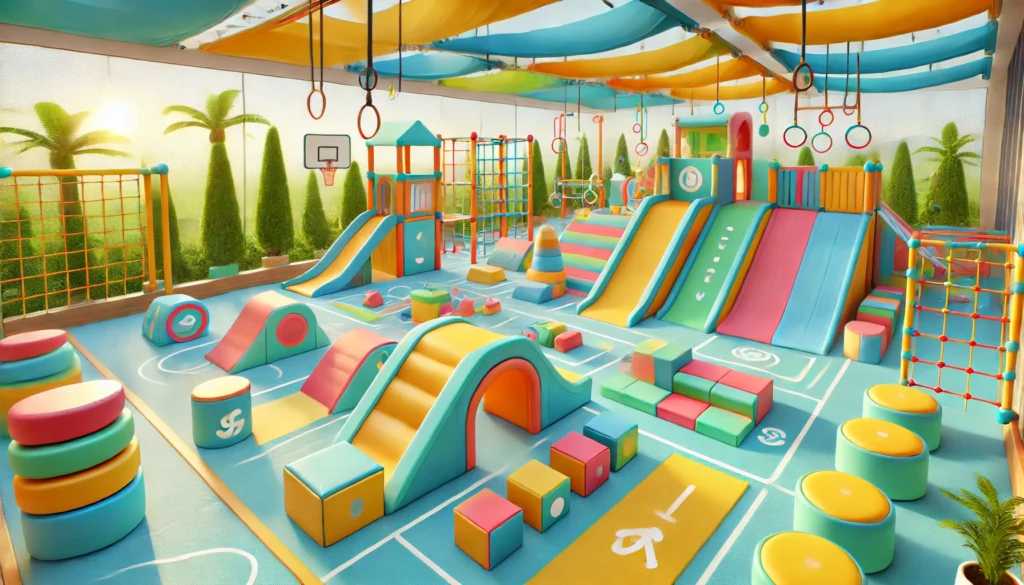
1. Choose the Right Environment for Practice
Safety Tip #1: Supervised and Safe Spaces
The environment in which a child practices parkour is crucial for safety. While parkour often conjures images of urban landscapes with rails and rooftops, these are not suitable for kids, especially beginners. Parents should ensure that their child practices parkour in a controlled, safe environment such as a parkour gym or a specially designed outdoor space.
Instructors in parkour gyms are trained to teach children using soft mats, safe obstacles, and progressive challenges. These spaces are equipped with crash pads and padded walls that significantly reduce the risk of injury. Outdoor spaces, like playgrounds, are also great for beginners, but parents should supervise to ensure the area is free from dangerous obstacles.
Key Takeaway: Always choose a controlled environment that matches your child’s skill level and provides proper supervision.
2. Invest in Professional Instruction
Safety Tip #2: Proper Coaching and Supervision
One of the most important safety measures for kids practicing parkour is learning from a qualified instructor. Parkour requires precise movements and body awareness, which are best taught by professionals who can guide children through the correct techniques. Proper coaching not only helps prevent injuries but also instills confidence and discipline in young practitioners.
Look for certified parkour instructors who have experience working with children. They will tailor training sessions to match your child’s ability, ensuring they progress safely. Parents should also attend a few sessions to observe how their child is being guided and whether safety protocols are being followed.
Key Takeaway: Qualified instruction is essential for teaching proper technique and ensuring your child’s safety while practicing parkour.
(Imagem sugerida: Um instrutor de parkour demonstrando técnicas básicas para um grupo de crianças em um ambiente acolchoado e seguro.)
3. Use the Right Gear
Safety Tip #3: Appropriate Clothing and Footwear
Although parkour doesn’t require expensive equipment, wearing the right clothing and footwear is essential for safety. Kids should wear comfortable, breathable clothing that allows freedom of movement. Avoid loose or baggy clothes that could get caught on obstacles.
When it comes to footwear, supportive athletic shoes with good grip are key. Parkour involves a lot of jumping and landing, so shoes with proper cushioning can protect kids’ feet and joints. Shoes with non-slip soles also help prevent slips on surfaces like metal bars or concrete.
While some advanced practitioners may train barefoot to improve balance, beginners—especially kids—should always wear shoes for added protection.
Key Takeaway: Ensure your child wears comfortable, supportive shoes and clothing to minimize the risk of injury during parkour.
4. Emphasize the Importance of Warm-ups and Cool-downs
Safety Tip #4: Stretching and Conditioning
Like any physical activity, parkour can put stress on the muscles and joints, making warm-ups and cool-downs critical for preventing injury. Kids, in particular, should be encouraged to stretch and warm up their muscles before engaging in parkour. This helps increase blood flow, flexibility, and readiness for movement.
A proper warm-up for parkour might include light jogging, jumping jacks, and dynamic stretches that loosen the muscles used during vaulting, climbing, and jumping. After practicing, a cool-down period involving static stretches helps to reduce muscle soreness and maintain flexibility.
Key Takeaway: Make warm-ups and cool-downs a non-negotiable part of your child’s parkour routine to avoid strain and injury.
5. Encourage Progress at a Steady Pace
Safety Tip #5: Gradual Skill Development
One of the most exciting aspects of parkour is the sense of progression. However, it’s important for parents to ensure their child advances at a steady, safe pace. Overconfidence or attempting advanced moves too soon can lead to accidents and injuries.
Beginner parkour skills focus on body awareness, balance, and simple jumps. Once these are mastered, kids can move on to more complex movements like vaults and wall climbs. Encouraging kids to master the basics before advancing ensures that they develop a strong foundation in parkour and reduces the risk of injury.
Parents should work with their child’s instructor to monitor progress and set realistic goals. If your child feels frustrated or tempted to try difficult stunts, remind them that slow, steady progress is the best way to build long-lasting skills.
Key Takeaway: Encourage your child to progress gradually, focusing on mastering basic techniques before moving on to advanced moves.
Physical Benefits of Parkour for Kids
Improved Coordination and Balance
Parkour for Kids challenges children to navigate uneven surfaces, jump between obstacles, and maintain balance, which greatly improves their coordination and body control. These skills are crucial not just in Parkour for Kids, but in other sports and daily life activities, enhancing their overall physical literacy.
Strength Building
Parkour for Kids involves climbing, running, and vaulting, all of which contribute to muscle development, particularly in the legs, core, and upper body. The variety of movements ensures that children develop functional strength that supports everyday activities.
Cardiovascular Fitness
The dynamic nature of Parkour for Kids, which includes running and jumping, keeps children constantly moving, offering a great cardiovascular workout. This helps improve heart health and endurance, which are key for overall well-being.
Key Takeaway: Parkour for Kids is an all-encompassing workout that helps children build strength, coordination, and cardiovascular fitness.
Mental and Emotional Benefits of Parkour for Kids
Boosts Confidence
Learning new skills in Parkour for Kids—whether it’s mastering a vault or successfully balancing on a rail—instills a sense of achievement in children. This helps boost their self-esteem and confidence, which can carry over into other areas of their lives, such as academics and social interactions.
Encourages Problem-Solving
Parkour for Kids is often described as a “mental game.” It requires children to think critically about how they approach obstacles, assess risks, and figure out the best way to move through a space. This problem-solving aspect of Parkour for Kids stimulates cognitive development and encourages quick decision-making.
Promotes Resilience and Patience
Not every move in Parkour for Kids will be mastered on the first try. Children learn to embrace failure as part of the process, developing resilience and patience. These traits help them persevere not only in physical activities but also in personal challenges they may face in other aspects of life.
Key Takeaway: Beyond physical fitness, Parkour for Kids teaches children invaluable mental skills like problem-solving, resilience, and confidence.
Common Myths About Parkour for Kids
Despite the growing popularity of Parkour for Kids, several myths and misconceptions may discourage parents from allowing their children to participate. Let’s debunk a few common myths.
Myth 1: Parkour is Too Dangerous for Kids
While Parkour for Kids can seem risky, it’s no more dangerous than other physical activities like skateboarding or gymnastics when practiced in a controlled environment with proper supervision. The key lies in teaching children safe techniques, progressing at a suitable pace, and always practicing in safe, designated areas.
Reality: With proper instruction and safety measures, Parkour for Kids is as safe as many other sports and can be a great outlet for children to stay active.
Myth 2: Kids Need Expensive Gear to Practice Parkour
Many parents worry that getting their child started in Parkour for Kids will require costly equipment. However, Parkour for Kids doesn’t require any special gear beyond comfortable, flexible clothing and good-quality shoes. It’s a sport that’s accessible to most families, and kids can begin practicing in a gym or outdoor park without the need for complex equipment.
Reality: Parkour for Kids is a budget-friendly activity that doesn’t require expensive gear.
Myth 3: Parkour Teaches Reckless Behavior
Some parents may be concerned that Parkour for Kids will encourage their child to take unnecessary risks, like jumping off high places or attempting stunts they’re not ready for. In reality, Parkour for Kids is about mastering control, both physically and mentally. Coaches focus on safety, technique, and gradual progression, teaching children to respect their limits and surroundings.
Reality: Parkour for Kids teaches discipline and encourages safe, calculated movements.
How to Support Your Child’s Parkour for Kids Journey
As a parent, your support and involvement can make a significant difference in how your child approaches Parkour for Kids. Here are a few ways to be actively involved:
Attend Parkour Sessions
Join your child during Parkour for Kids sessions at the gym or outdoors. Observing their progress and participating in their excitement can help build their confidence. It also allows you to stay informed about their training and ensure that safety measures are being followed.
Encourage Consistency
Just like any other skill, Parkour for Kids requires practice and consistency to improve. Encourage your child to attend regular training sessions, even if it means practicing simple moves at home or in a safe outdoor space. This will help them build a strong foundation and advance at a steady pace.
Praise Effort Over Results
Parkour for Kids can be challenging, especially when children are learning new moves. Encourage and praise their effort rather than just their achievements. This helps build resilience and keeps them motivated, even when they encounter setbacks.
Talk About Safety
Regularly talk to your child about the importance of safety in Parkour for Kids. Reinforce the idea that progressing slowly and understanding their limits is more important than trying to impress others with risky stunts.
Key Takeaway: Your involvement and encouragement will help your child stay motivated and focused on safe, steady progression in Parkour for Kids.
Finding Parkour for Kids Classes
If you’re ready to get your child started with Parkour for Kids, the next step is finding a reliable and safe place for them to learn. Here’s what to look for:
- Certified Instructors
Ensure that the facility you choose has instructors who are certified in Parkour for Kids and have experience working with children. This is crucial for teaching proper technique and ensuring a safe environment. - Kid-Friendly Environment
Look for parkour gyms that offer classes specifically for kids. These gyms will have soft mats, safe obstacles, and kid-friendly challenges. Avoid environments where the obstacles are too advanced or where there’s insufficient supervision. - Trial Classes
Many Parkour for Kids gyms offer trial classes. This is a great opportunity to see if your child enjoys Parkour for Kids and to assess whether the gym’s safety protocols meet your standards. - Community and Culture
Parkour for Kids is not just a physical discipline; it’s also about community and respect for others. Choose a gym that fosters a positive, supportive atmosphere where your child feels welcomed and encouraged.
Key Takeaway: Finding the right Parkour for Kids environment is essential for your child’s safety and enjoyment of the sport.
In Summary: Safety and Fun in Parkour for Kids
Parkour for Kids offers children a unique opportunity to explore movement in a creative and fun way while building physical and mental skills. By following these top safety tips—choosing the right environment, investing in professional instruction, using proper gear, emphasizing warm-ups, and encouraging steady progress—parents can help their children practice Parkour for Kids safely and enjoyably.
Whether your child is just starting out or already excited about the sport, with the right precautions and mindset, Parkour for Kids can become a rewarding and safe activity that builds confidence, strength, and resilience.
Read More
- How It Boosts Balance and Coordination for Peak Performance
- How to Master the Art of Parkour Rolls for Safe Landings
- How to Master the Art of Parkour Rolls for Safe Landings
-
Parkour for Kids: Fun and Safe Activities for Young Traceurs
-
What Is Parkour? A Complete Guide to the Art of Efficient Movement


